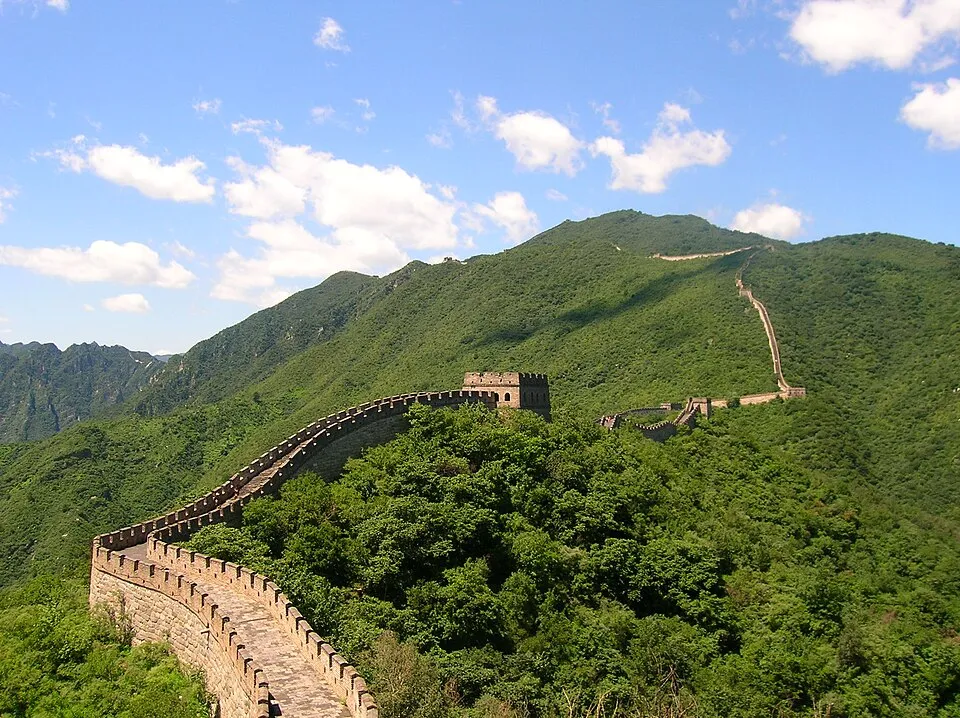
Built and extended across successive dynasties, the Great Wall is a network of fortifications rather than a single attraction. Its walls, passes, and towers reveal how builders adapted a defensive system to the terrain. For a Beijing visit, choose a specific open section rather than treating the entire wall as one destination.
Look for
Ridge-top views, watchtowers, and historic fortifications.
Before you go
Choose your section before arranging transport. Check its official access notices and walking conditions; do not assume different sections share tickets or facilities.
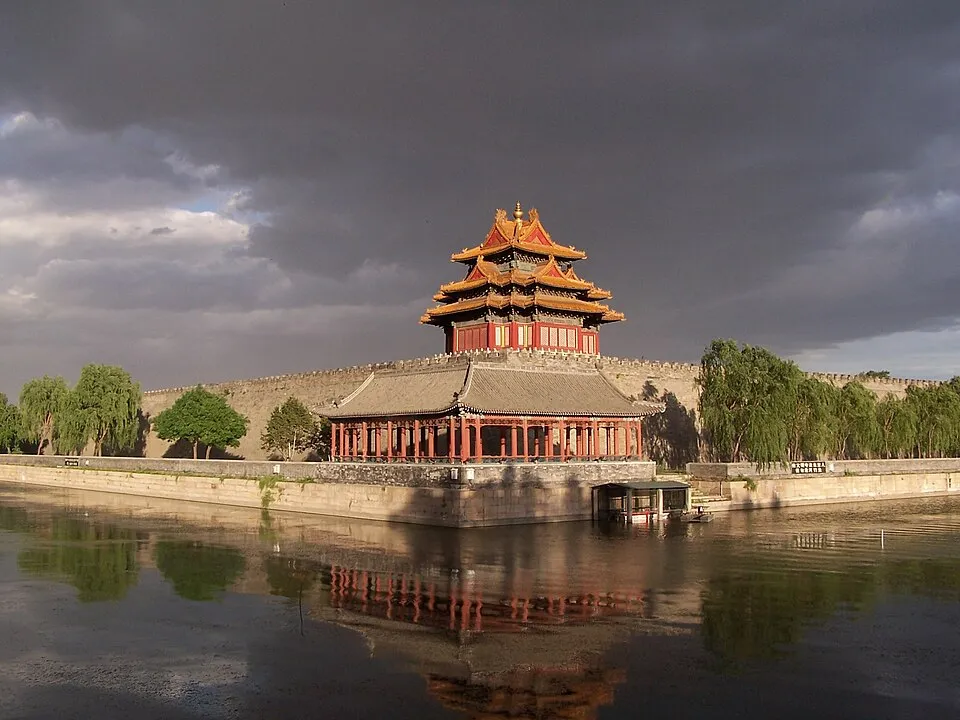
Beijing’s former imperial palace is now home to the Palace Museum. Its sequence of courtyards and ceremonial halls makes the scale of imperial life tangible, while its collections add detail beyond the architecture. Look beyond the main axis and leave space for the museum’s exhibitions and gardens.
Look for
Imperial architecture, palace courtyards, and museum collections.
Before you go
Check the Palace Museum’s current reservation rules, entry requirements, opening calendar, and visitor routes before choosing your date.
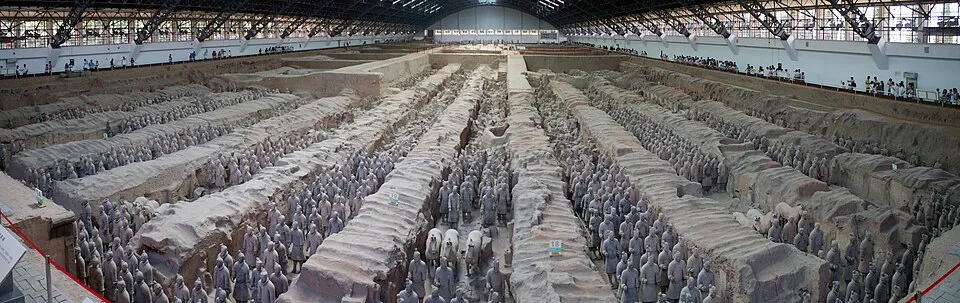
The terracotta figures belong to the mausoleum complex of Qin Shi Huang, China’s first emperor. Discovered in 1974, the pits contain soldiers and horses whose individual details make the vast formations worth examining slowly. The site combines archaeology, sculpture, and the story of the Qin empire.
Look for
Excavation pits, distinctive figures, and Qin-era craftsmanship.
Before you go
Treat the museum as a separate outing from central Xi’an. Check current ticketing and visitor information with the museum and allow time for the journey.
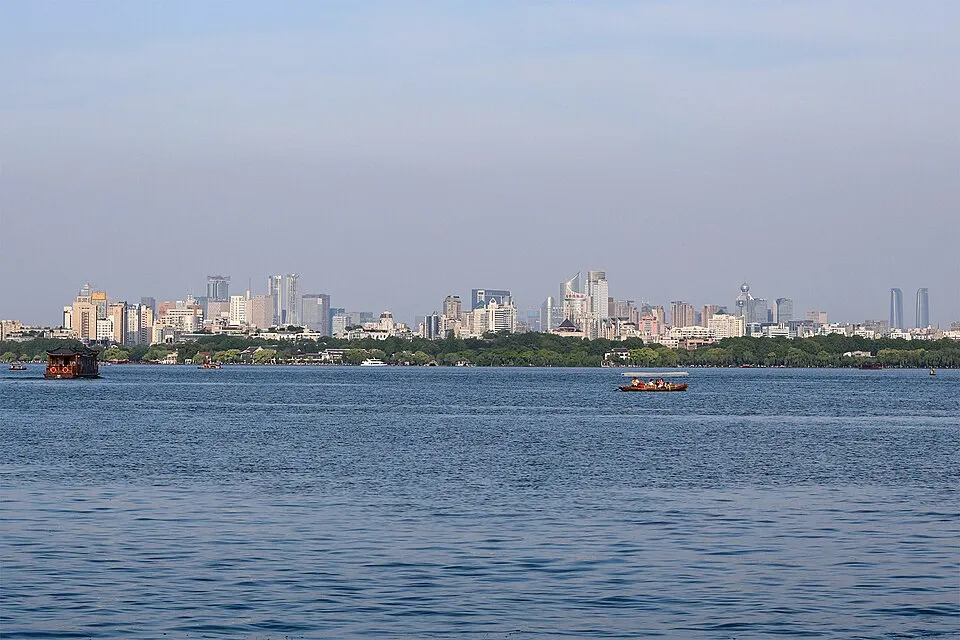
West Lake is a cultural landscape shaped by both nature and garden-making. Hills surround the water on three sides; causeways, islands, temples, and pavilions create changing views as you move along the shore. It is a good place to trade a packed sightseeing schedule for an unhurried walk.
Look for
Lakeside walks, garden landscapes, causeways, and pagoda views.
Before you go
Choose a manageable section of the lake rather than trying to see every landmark. Check separate visitor arrangements for boats, temples, and other attractions.
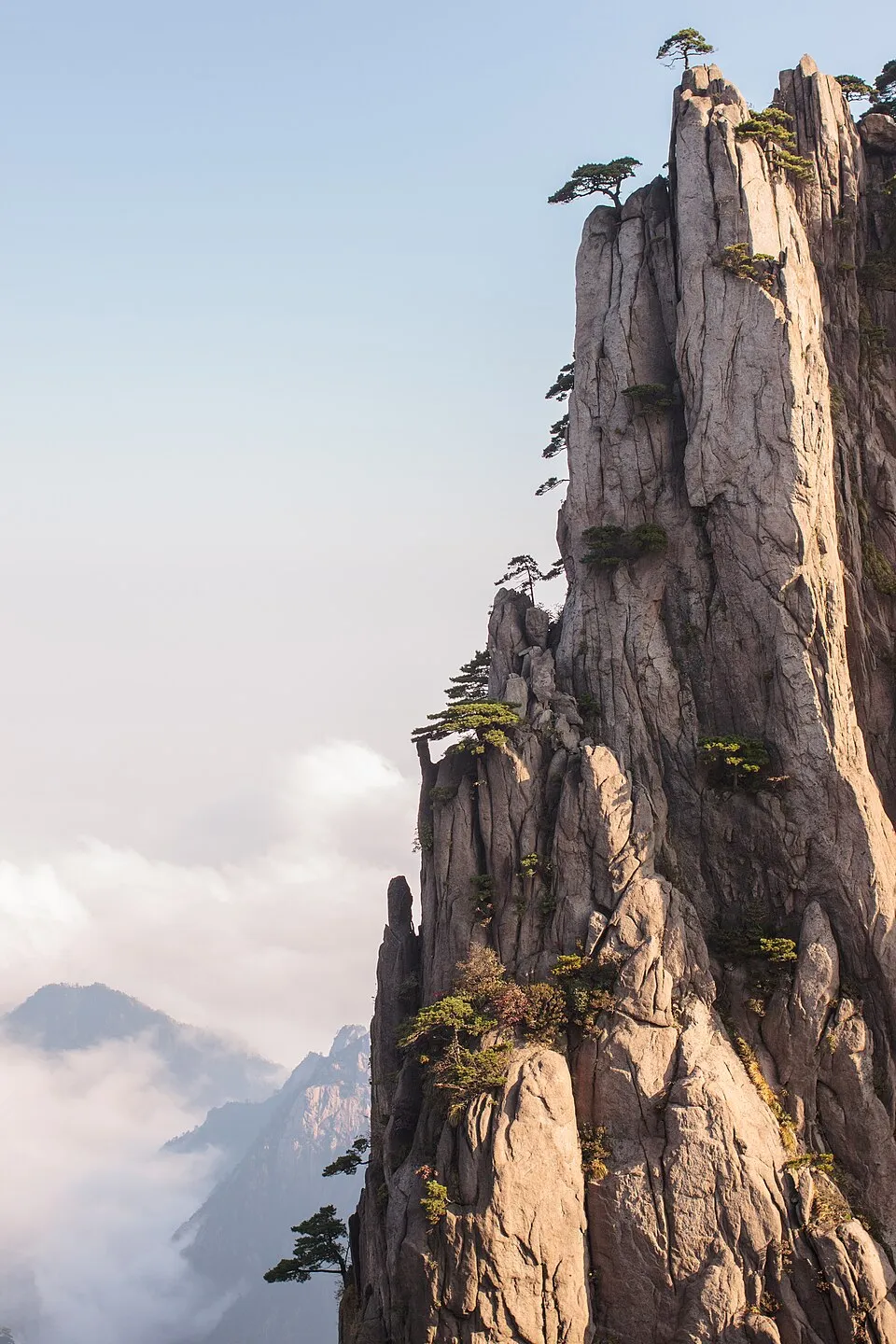
Huangshan’s granite peaks and ancient pines have inspired generations of artists and writers. Its changing mist and light are part of the attraction, but the mountain is not a guaranteed sunrise or sea-of-clouds experience. Plan the visit around walking conditions and the landscape, not a single photograph.
Look for
Granite formations, mountain pines, and changing valley views.
Before you go
Check the weather, trail notices, transport arrangements, and your walking ability before setting a route. Leave flexibility for poor visibility or closures.
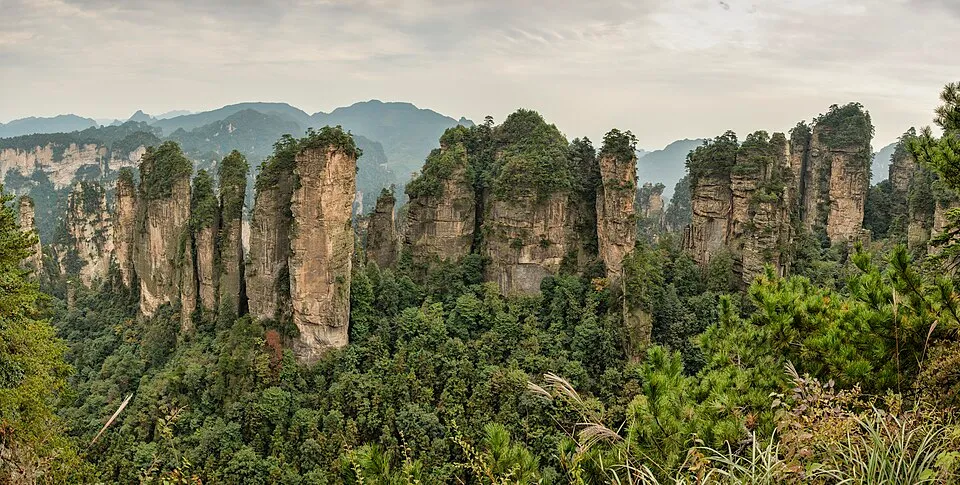
Wulingyuan’s narrow sandstone peaks, ravines, streams, and natural bridges create a striking contrast between vertical rock and forest. The UNESCO-listed scenic area is in Hunan Province. Focus on a few viewpoints and walking routes rather than trying to cover every part of the landscape in one visit.
Look for
Sandstone pillars, forested ravines, and mountain viewpoints.
Before you go
Confirm exactly which scenic area your ticket covers and how you will move between its entrances and viewpoints. Check current access notices and weather before travel.
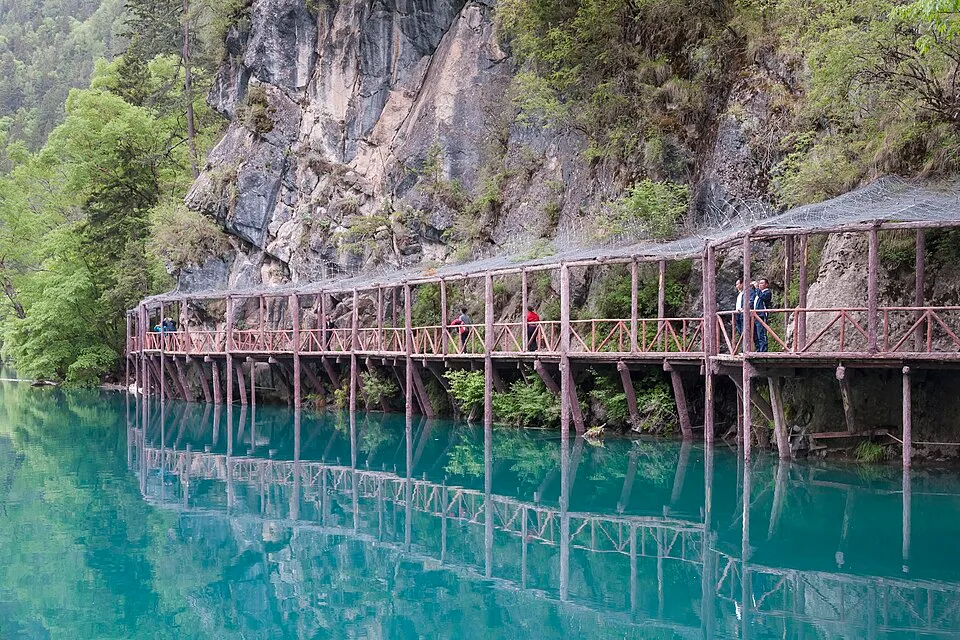
Jiuzhaigou’s mountain landscape brings together mineral-rich lakes, waterfalls, limestone terraces, and forests in northern Sichuan. The UNESCO-listed valley is a protected natural area, not just a series of photo stops. Leave time to enjoy the changing water and woodland views, and follow designated routes to protect the landscape.
Look for
Blue and green lakes, waterfall cascades, and alpine forest scenery.
Before you go
Check the scenic area’s current reservations, open routes, and transport notices. Allow for travel to the valley, mountain weather, and the effects of altitude when planning your day.
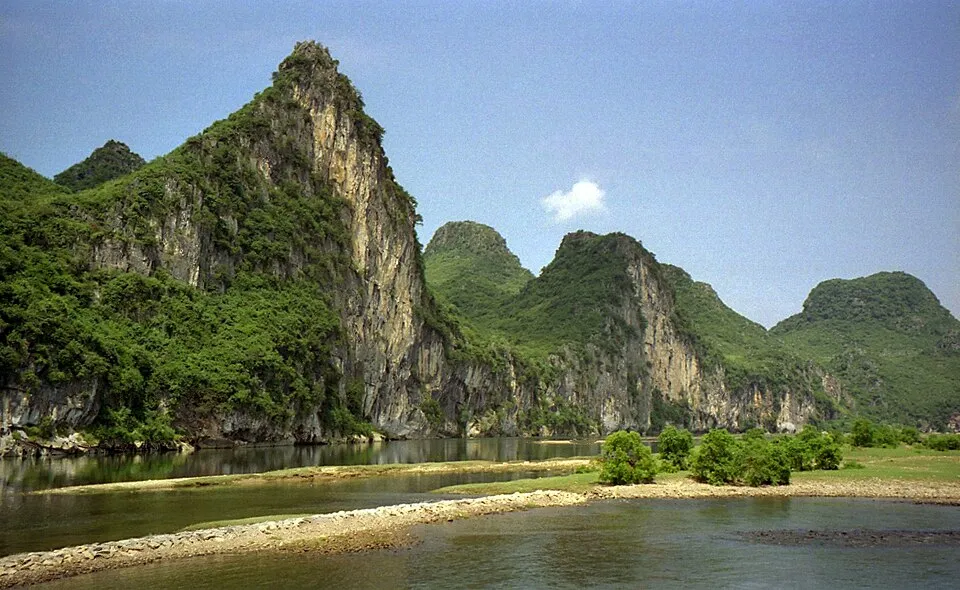
Guilin’s distinctive scenery comes from limestone peaks rising beside rivers and lowland plains. The Guilin Karst component of the South China Karst World Heritage property includes areas around the Li River, while nearby Yangshuo offers another base for enjoying the landscape. Combine a city stop with time along the river rather than expecting one viewpoint to capture the whole region.
Look for
Li River landscapes, limestone tower karst, Elephant Trunk Hill, and Yangshuo’s countryside.
Before you go
Choose your base and river route before arranging transport. Check departure and arrival points, weather, water conditions, and the operator’s current restrictions before booking a boat trip; do not assume every river activity follows the same route.
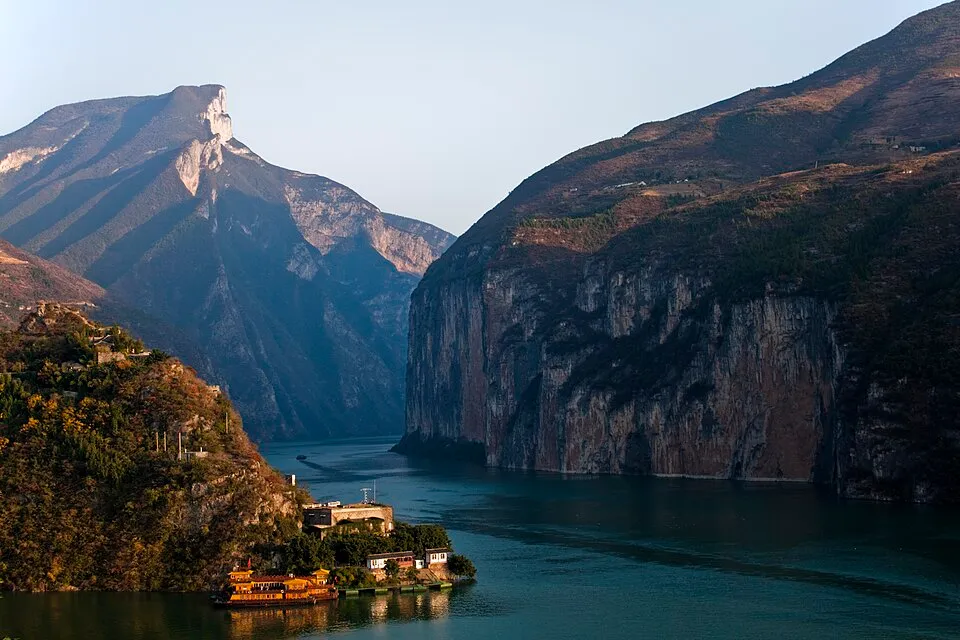
The Three Gorges are a series of river landscapes along the Yangtze in Chongqing and Hubei, not a single attraction or the Three Gorges Dam alone. Qutang Gorge’s steep cliffs and Kui Gate make a striking introduction, with Baidi City offering a viewpoint and a connection to the region’s history. Wu Gorge and Xiling Gorge add different stretches of river scenery. Choose a cruise or local excursion around the places you actually want to see.
Look for
Qutang Gorge and Kui Gate, Wu Gorge, Xiling Gorge, and Baidi City.
Before you go
Confirm boarding and arrival ports, sailing direction, daylight viewing times, and included shore excursions before booking. Check whether the itinerary covers all three gorges or a dam visit, and reconfirm the operator’s arrangements for weather and river conditions.
City discoveries
Explore riverfronts, neighbourhoods, and a different rhythm of daily life.
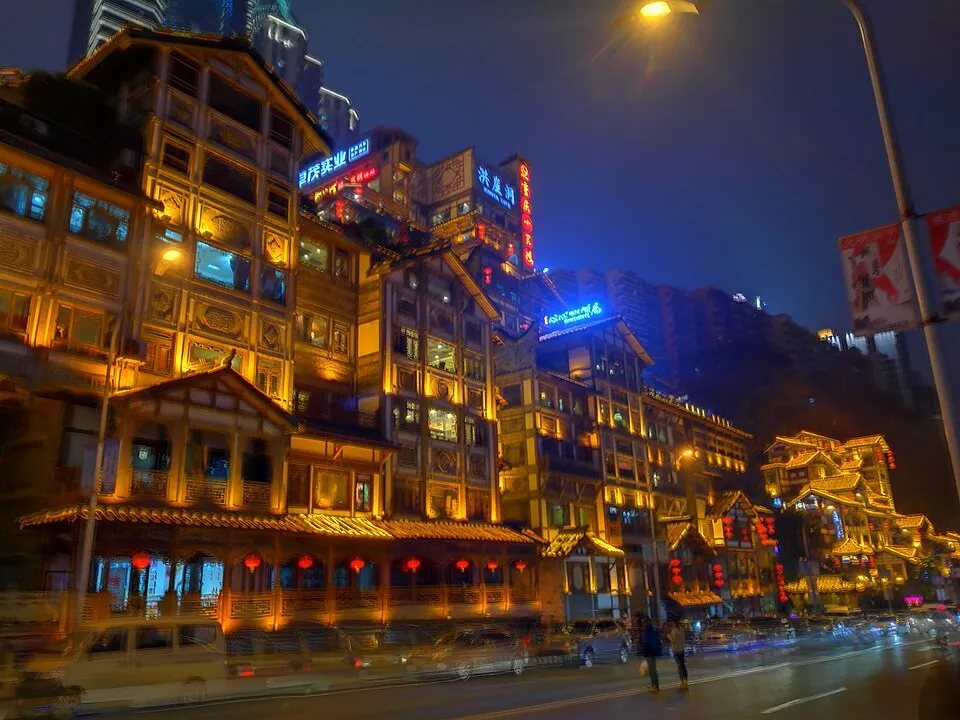
Chongqing rewards a visit at more than one level: riverfront promenades below, hillside streets above, and rail lines threading through the city. Chaotianmen sits at the meeting of the Yangtze and Jialing rivers, while Hongyadong and Nanbin Road offer different perspectives on the illuminated skyline. Choose a neighbourhood to explore slowly rather than rushing between distant viewpoints.
Look for
Hongyadong, Chaotianmen’s river views, Nanbin Road, and the hillside cityscape.
Before you go
Allow extra time for slopes, stairs, and changes of level; a short distance on a map may not mean an easy walk. Check current access and transport arrangements before visiting popular evening viewpoints.
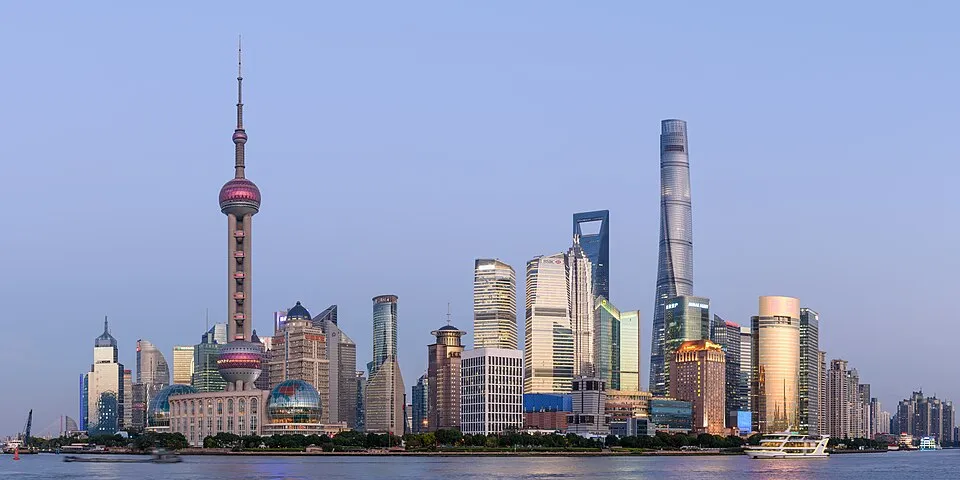
Start at the Bund, where historic waterfront buildings tell the story of Shanghai’s trading and financial past. Across the Huangpu River, the modern skyline offers a different chapter of the city. For a quieter contrast, explore Yuyuan Garden, a traditional garden originally built during the Ming dynasty, alongside the surrounding old-city area.
Look for
The Bund, Huangpu River views, and Yuyuan Garden’s pavilions and ponds.
Before you go
Plan waterfront walks separately from ticketed gardens, museums, or observation decks. Check each venue’s opening times and reservation requirements; the Yuyuan shopping area and the garden are not the same attraction.
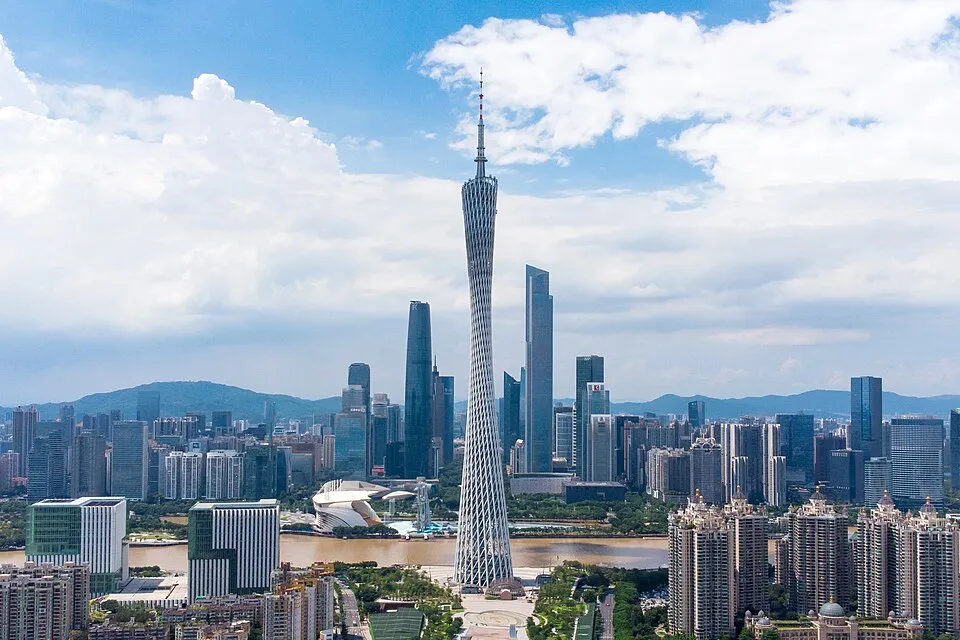
Guangzhou is best explored through its neighbourhoods. Shamian offers historic architecture and old trees close to the Pearl River; the Chen Clan Academy brings together courtyards and Guangdong folk art. The Canton Tower area adds a modern landmark to the mix. Let a day move between heritage streets and the river rather than treating the city as a single sightseeing stop.
Look for
Shamian Island, Chen Clan Academy, and the Canton Tower neighbourhood.
Before you go
Group visits by neighbourhood and allow time between Liwan’s heritage sites and the Canton Tower area. Check museum and tower ticket options separately, and leave room to adjust outdoor walks for the weather.
Chengdu is a centre of Sichuan cuisine and a UNESCO Creative City of Gastronomy. Its appeal is as much in everyday eating and tea culture as in headline attractions. Pair a visit to the Chengdu Research Base of Giant Panda Breeding with time to explore the city’s neighbourhoods and the range of flavours beyond its famously spicy dishes.
Look for
The panda research base, Sichuan food, and tea culture.
Before you go
Check the panda base’s current ticket rules, opening hours, and animal-viewing notices before visiting. Plan the journey separately from your city walks, follow animal-welfare guidance, and discuss dietary needs before ordering.
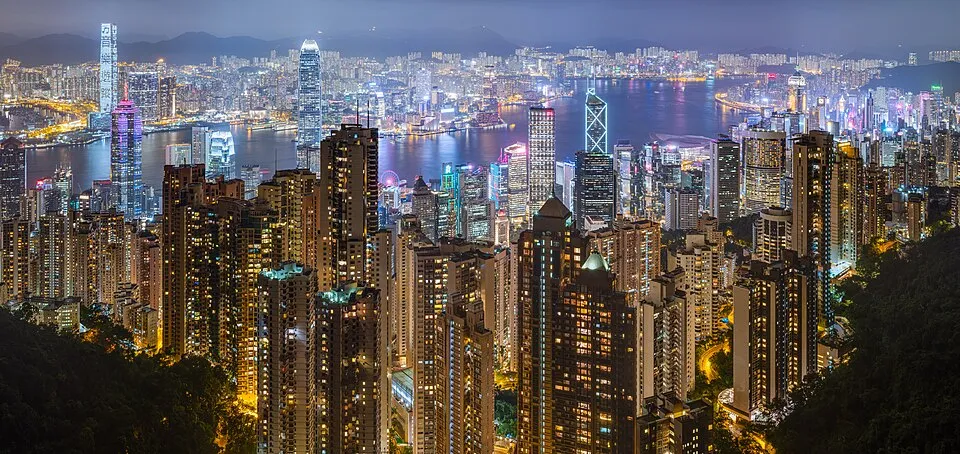
Victoria Harbour separates Hong Kong Island from Kowloon and gives the city a memorable centre of gravity. Explore the Tsim Sha Tsui waterfront, take a different perspective from the Star Ferry, or look across the skyline from the Peak. Leave time for neighbourhood streets as well as panoramic viewpoints; a harbour crossing can be part of the visit rather than simply transport.
Look for
Victoria Harbour, the Star Ferry, Tsim Sha Tsui’s waterfront, and the Peak.
Before you go
Check ferry and viewpoint arrangements for your date, and allow for changing weather. Verify Hong Kong entry requirements for your travel documents and plan local payments and mobile data separately; nihaonana’s mainland-China checklist does not cover Hong Kong.
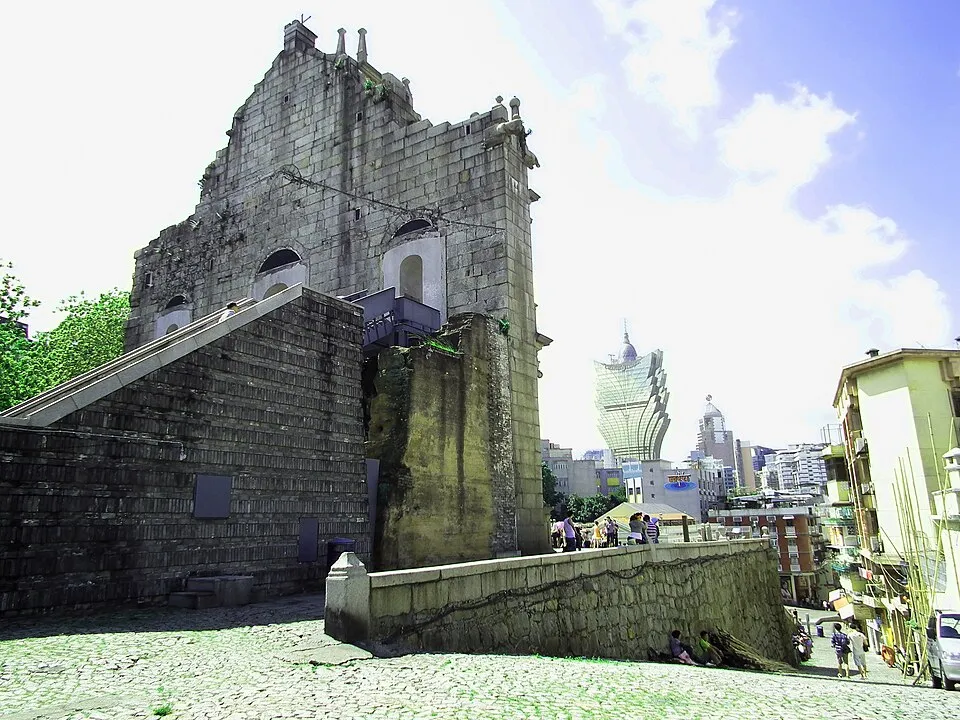
Macao’s historic centre is a UNESCO World Heritage site shaped by centuries of trade and cultural exchange. Its Chinese and Portuguese buildings stand alongside one another in a compact network of streets and public spaces. Start around Senado Square and the Ruins of St. Paul’s, then leave time to explore beyond the main photo stops. The heritage listing covers the historic centre, not the entire city.
Look for
Senado Square, the Ruins of St. Paul’s, and the historic centre’s streets and religious buildings.
Before you go
Check individual monument access and allow for slopes and busy streets. Verify Macao entry requirements and any onward journey separately, and arrange local payments and mobile data; nihaonana’s mainland-China checklist does not cover Macao.